Tarot · Learning · Reflection
Arcana Garden
Step into the grove where the cards remember what you forget.
Tap the card or button to begin
A History of the Cards
Six Centuries of Tarot
From courtly game to sacred compass — the long, strange journey of 78 cards.
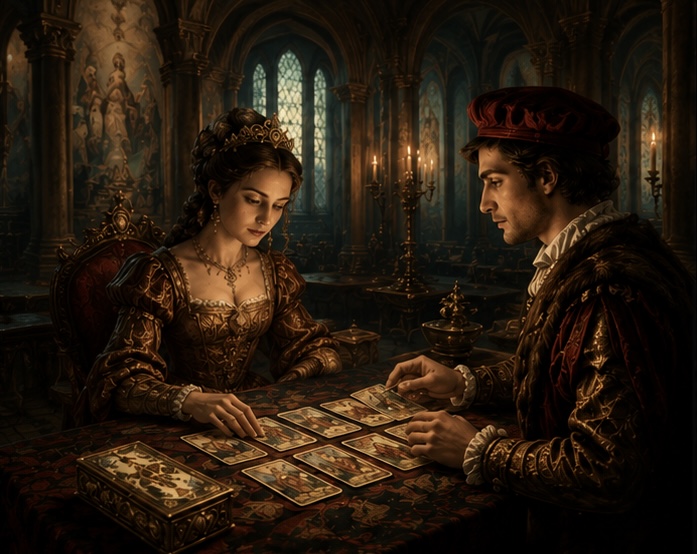
c. 1440
Born in the Courts of Italy
In the candlelit halls of Milan and Ferrara, the first tarot decks appeared — not as prophecy, but as play. Commissioned by noble families as hand-painted luxuries, these Tarocchi decks were objects of status and beauty. The Visconti-Sforza deck, gilded with gold leaf, remains one of the oldest survivors.
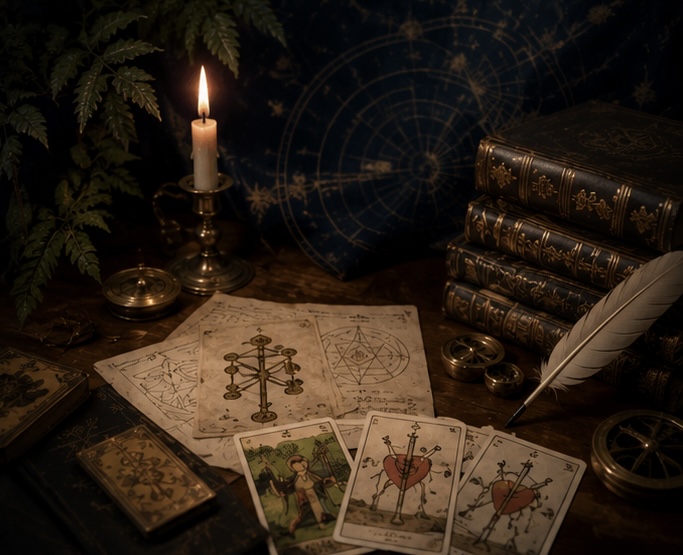
1780s
The Occult Awakening
As the Enlightenment cast its rational light across Europe, shadows deepened. Antoine Court de Gébelin declared the cards held lost Egyptian wisdom — a romantic myth, yet one that ignited the occult imagination. Astrologers, Kabbalists, and Hermeticists wove their languages into the cards. Tarot became a mirror for the unseen.
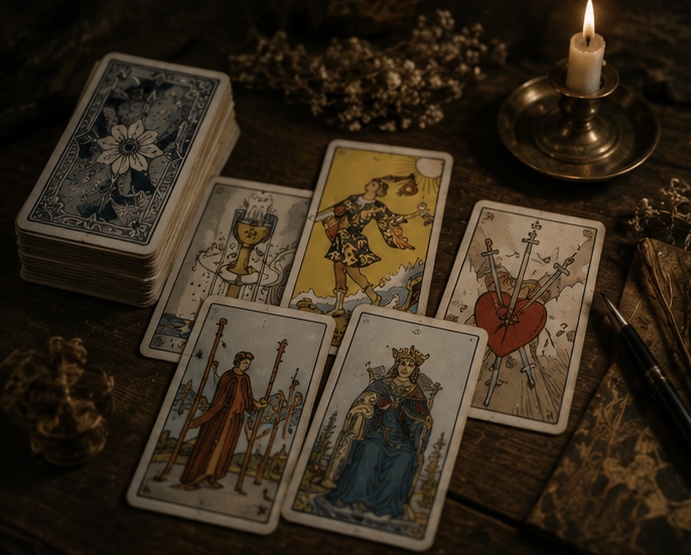
1909
The Rider-Waite Vision
Arthur Edward Waite and artist Pamela Colman Smith quietly changed everything. For the first time, all 78 cards told their own story in paint. The minor arcana came alive — peasants, cups, swords, fire — giving readers scenes to feel, not just symbols to decode. Their deck became the mother of nearly every modern tarot.
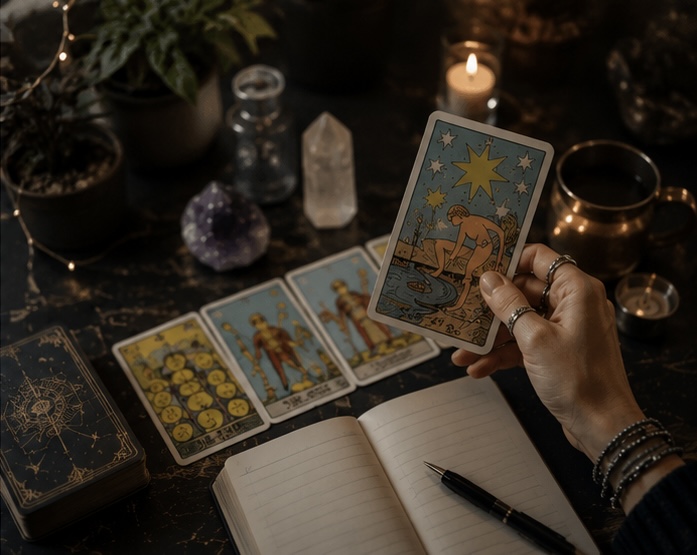
Today
A Language That Endures
Across centuries and cultures, the 78 cards survive as something rare: a universal grammar of the human condition. Millions carry a deck not to predict the future, but to be honest about the present. Tarot asks what no one else will — and waits, patiently, for your answer.